Based on information provided by Solar Power Europe, the European Solar Power Association, the EU witnessed a modest increase of 67.2GW in new photovoltaic capacity in 2025, though growth has been sluggish. Forecasts suggest a general decrease in fresh installations across major member states for 2026. The primary challenge stems from inadequate grid capacity, resulting in frequent negative electricity pricing during peak hours. Consequently, the EU anticipates a necessity for 150GW of battery storage by 2030, a significant leap from the 37GW recorded at the close of 2025.
Amid this landscape, Romania emerges as a standout performer, achieving a notable 45% surge in photovoltaic deployments in defiance of prevailing trends. This success can be attributed to proactive governmental measures that encourage the joint implementation of solar and storage, as opposed to the traditional "build-first, subsidize-later" strategy. By mid-2026, around one-third of prosumers had integrated storage solutions into their setups, bolstering the national storage capacity to nearly 2000MWh. Furthermore, the Romanian government has eliminated specific storage levies, rerouted 76 million euros from solar incentives towards storage ventures, and hiked grid connection deposits to deter fraudulent requests.
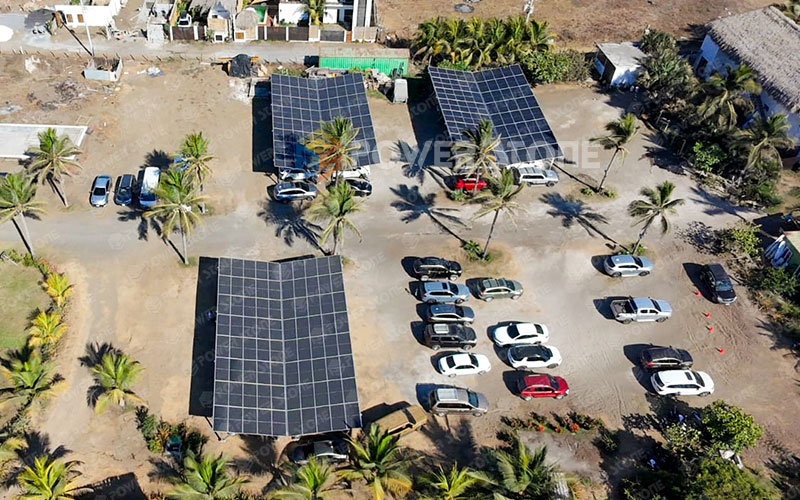
Although mandatory storage requisites might momentarily decelerate solar uptake, Romania views this as an opportunity to navigate protracted grid limitations, positioning itself as a pivotal player in the European battery storage market.

A706, Lingyun Onyx Building, No. 652, Hu'an Road, Huli District, Xiamen City, Fujian Province
E-Mail : Sales@powerstone-tec.com
E-Mail : Connie.Dong@powerstone-tec.com